Restaurant SaaS, co-founder and CTO
EASY.Q
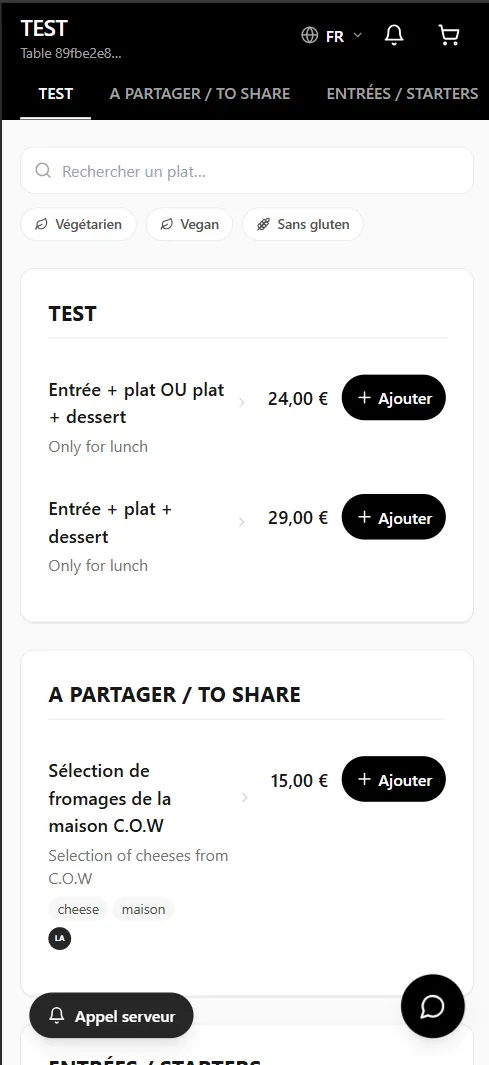
Scan, eat, pay: QR digital menu, an AI virtual waiter, table ordering, payment and a live kitchen display. One product for restaurants, from PDF menu to paid bill.
- 529
- 10
- <€10
Context
In a restaurant, guests wait twice, to order and then to pay, orders get lost between floor and kitchen, and owners have no live view of sales. EASY.Q started with West Africa’s mobile-money market in mind; payments there need a BCEAO banking licence, so we chose to validate the model in France first.
Key decisions
Import the menu the owner already has
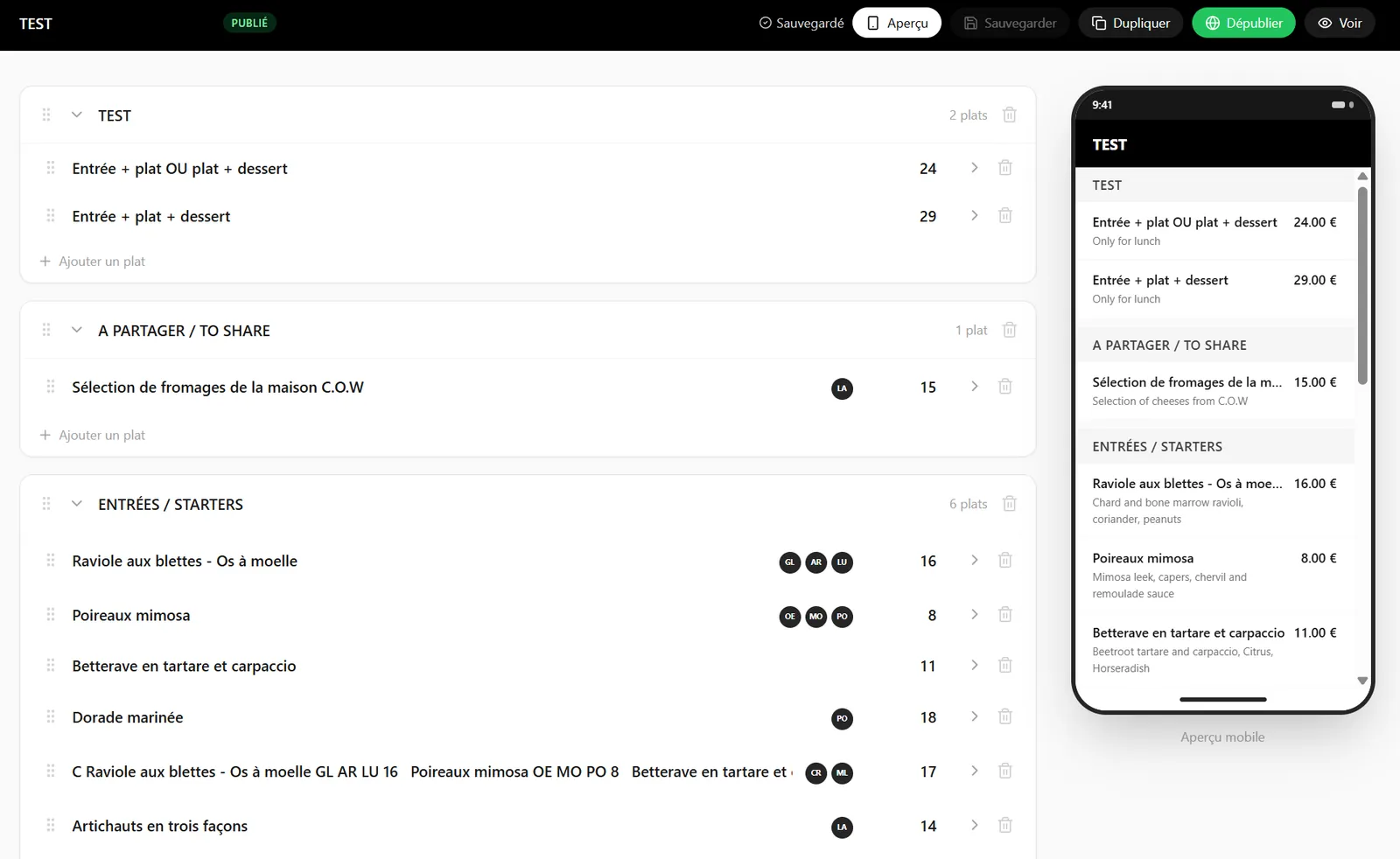
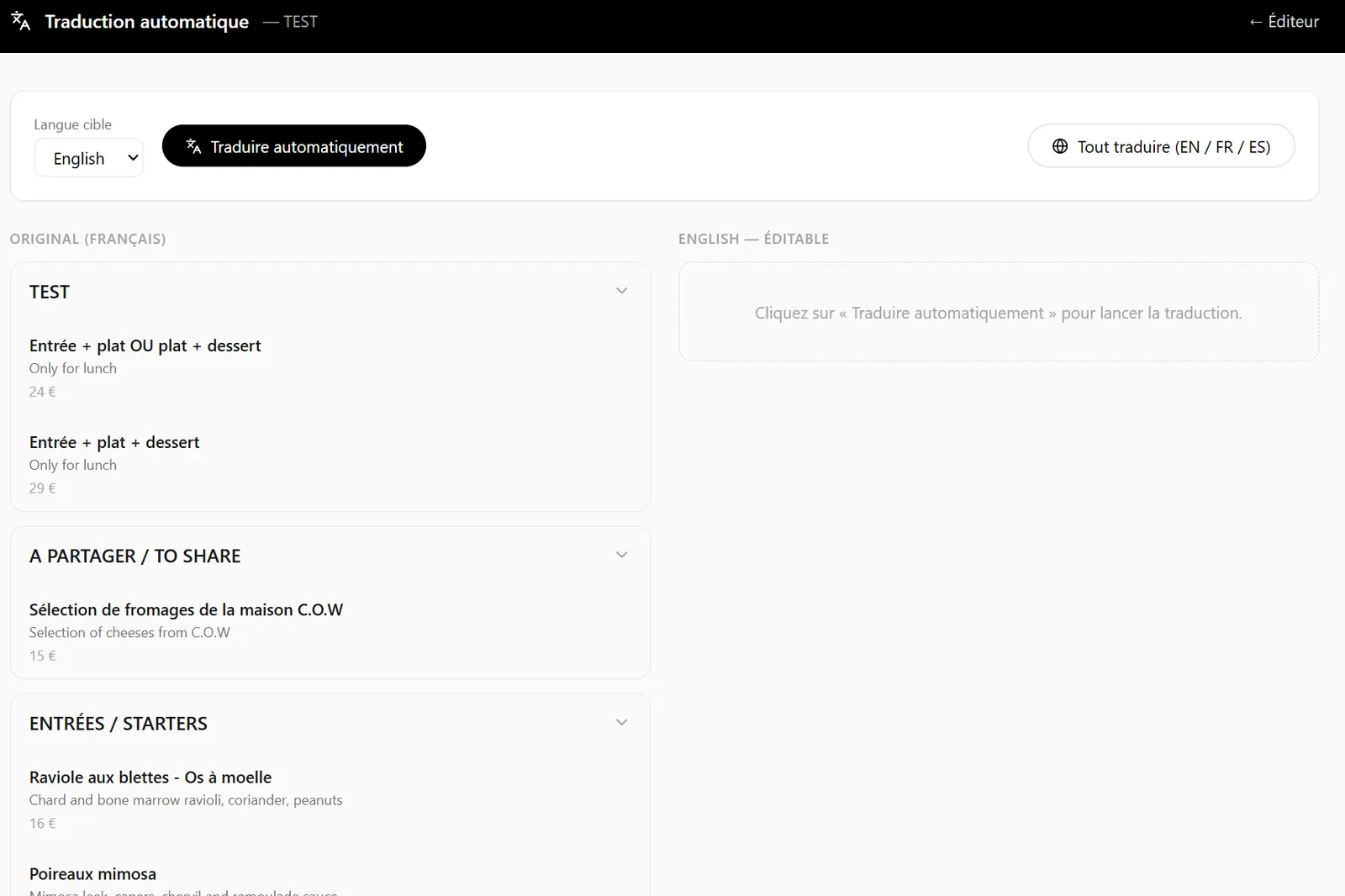
Owners upload their PDF menu. The backend extracts the text with PyMuPDF and Gemini turns it into structured dishes, prices and allergens, so onboarding does not start with data entry. The same model translates the menu into 10 languages.
Augment the waiter, don’t replace them
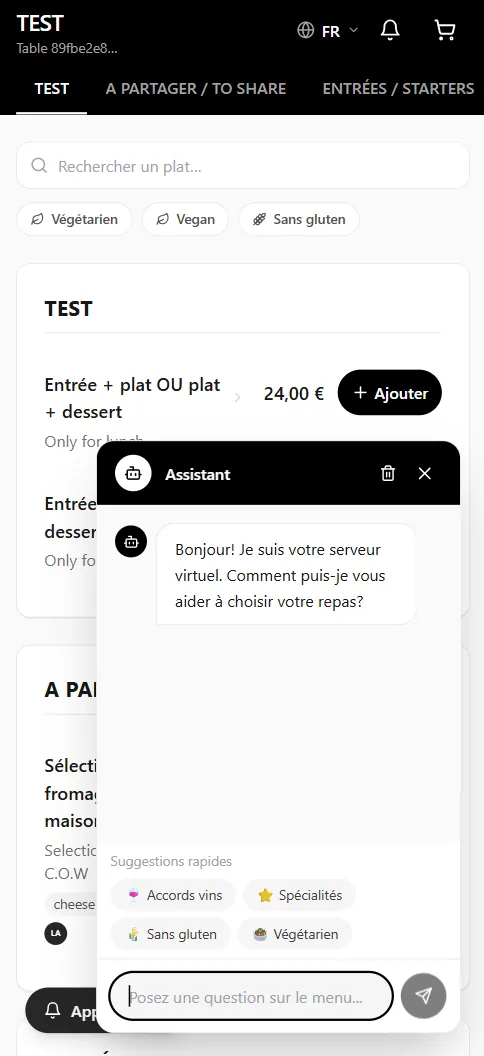
Interviews with 3 restaurant owners showed that speed matters most, but removing the human contact is a deal-breaker. So the AI assistant advises guests and adds dishes to the cart, and there is a “call the waiter” button and a waiter mode for table-side orders.
SSE for the chatbot, WebSocket for the kitchen
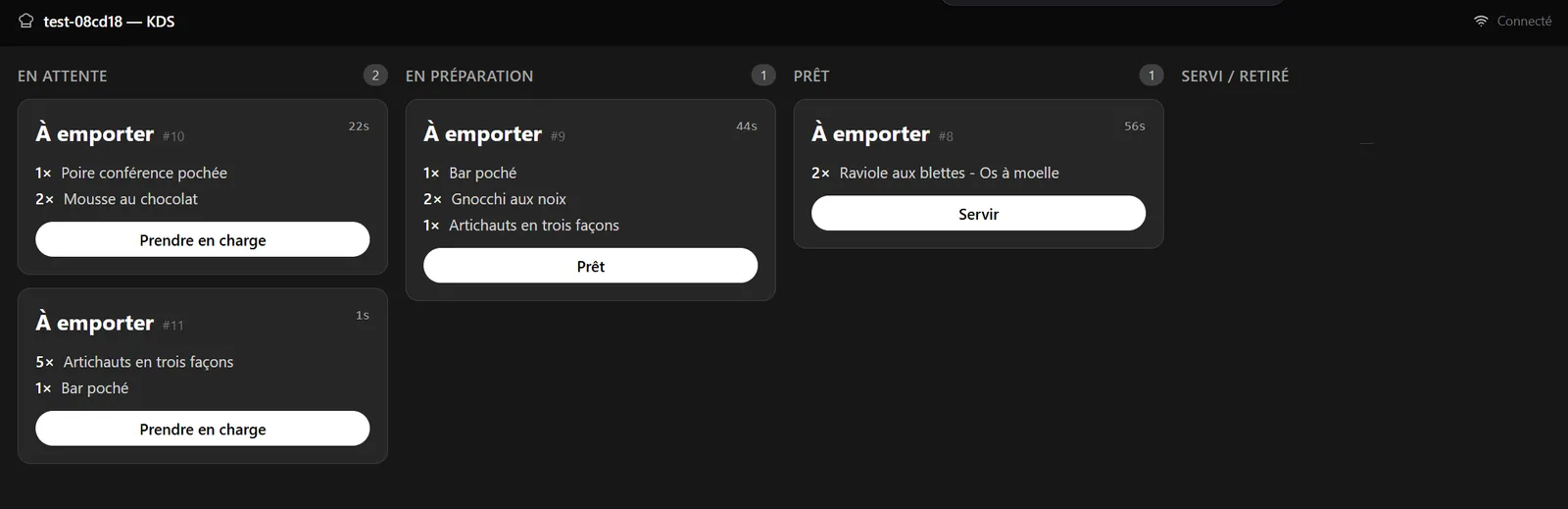
Chatbot answers are a one-way token stream, so they use Server-Sent Events. The kitchen display needs orders pushed as they arrive: WebSocket, fanned out through Redis pub/sub.
EU hosting for under €10 a month
Static front-end on Vercel; API, PostgreSQL and Redis in Docker behind Nginx on one OVH VPS. Data stays in the EU and the whole stack costs less than €10 a month.
Architecture
Screenshots
Results
- 416 back-end and 113 front-end automated tests (May 2026).
- CI on every push and pull request: Ruff, Pytest, and a 70% coverage gate.
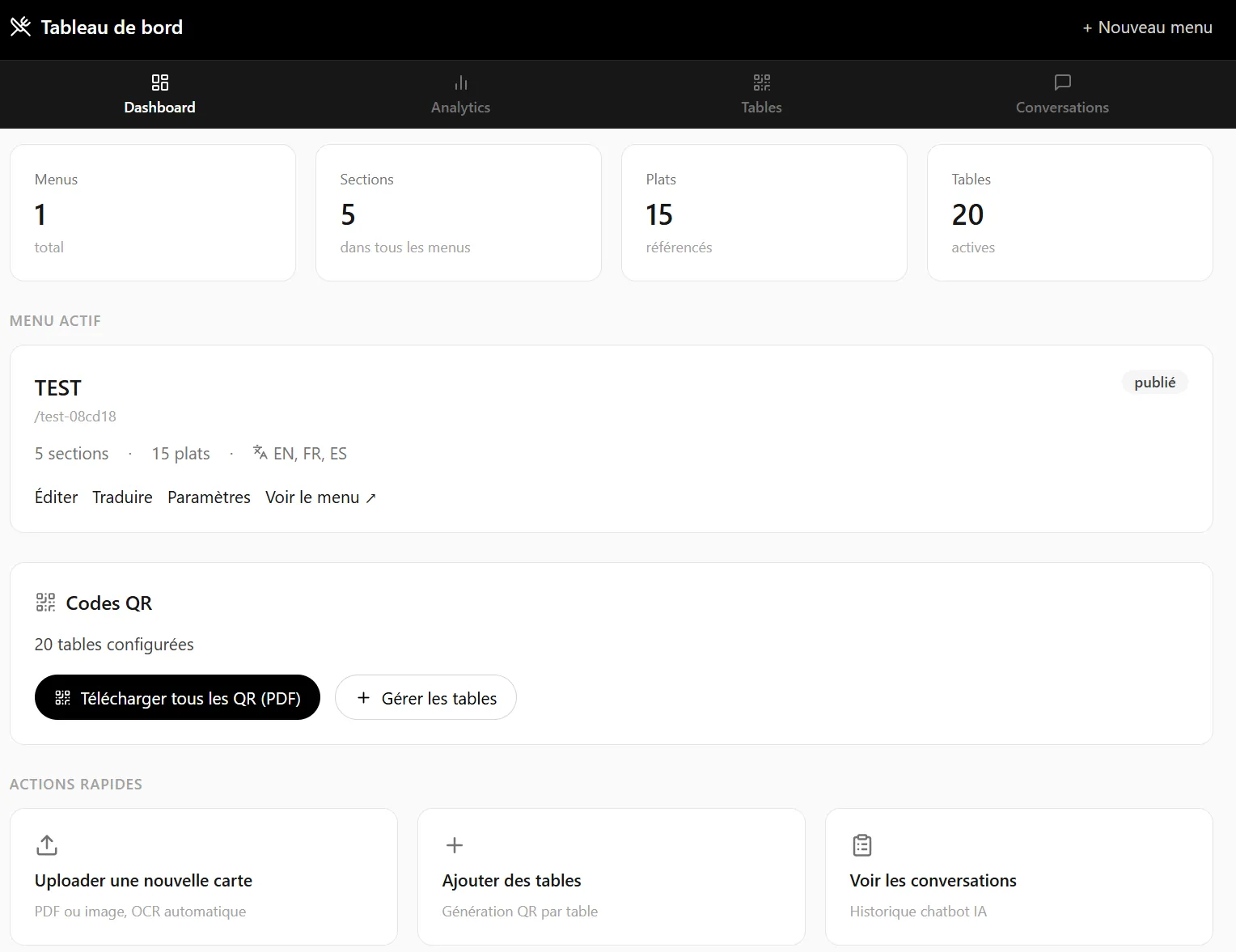
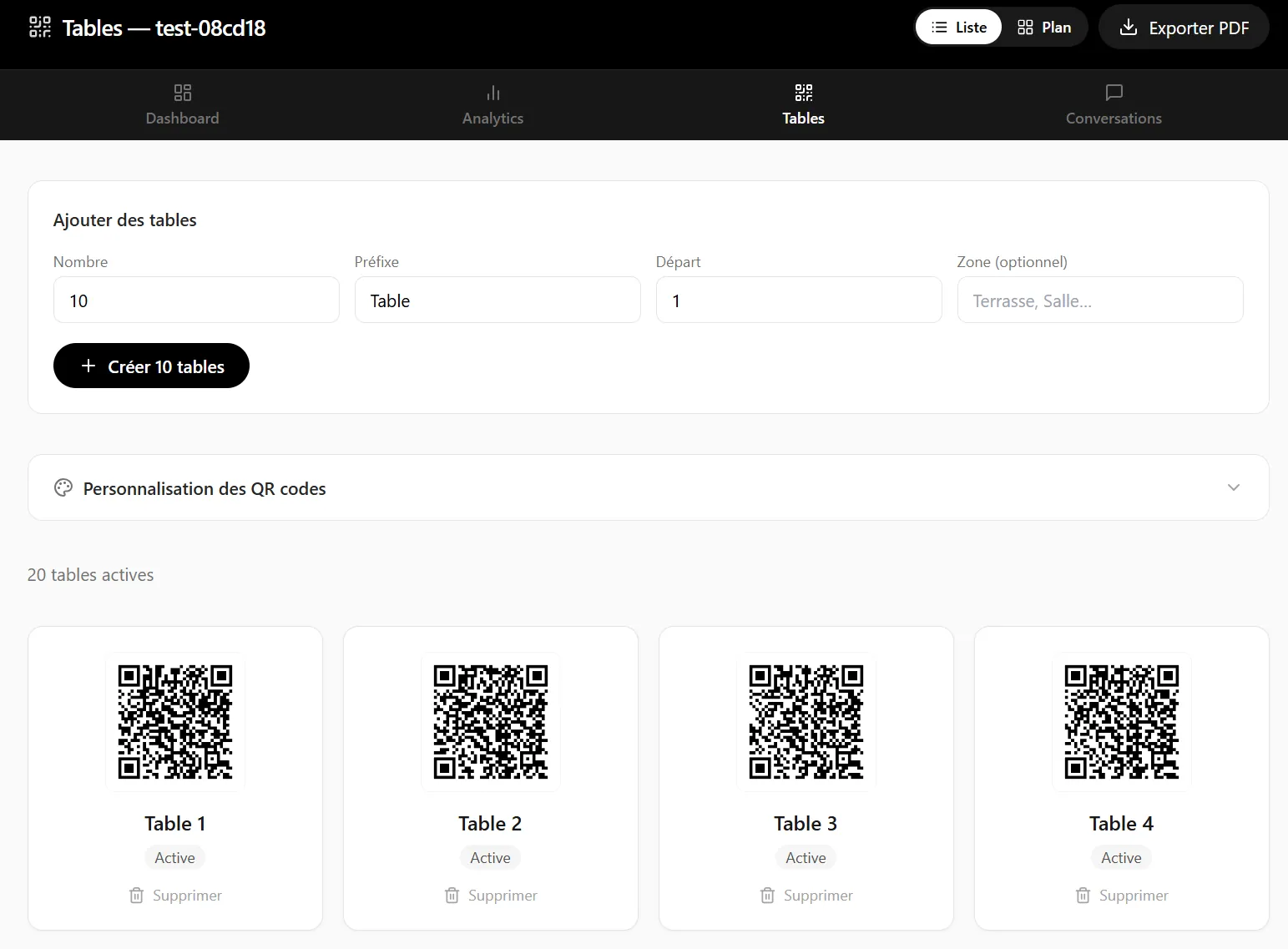
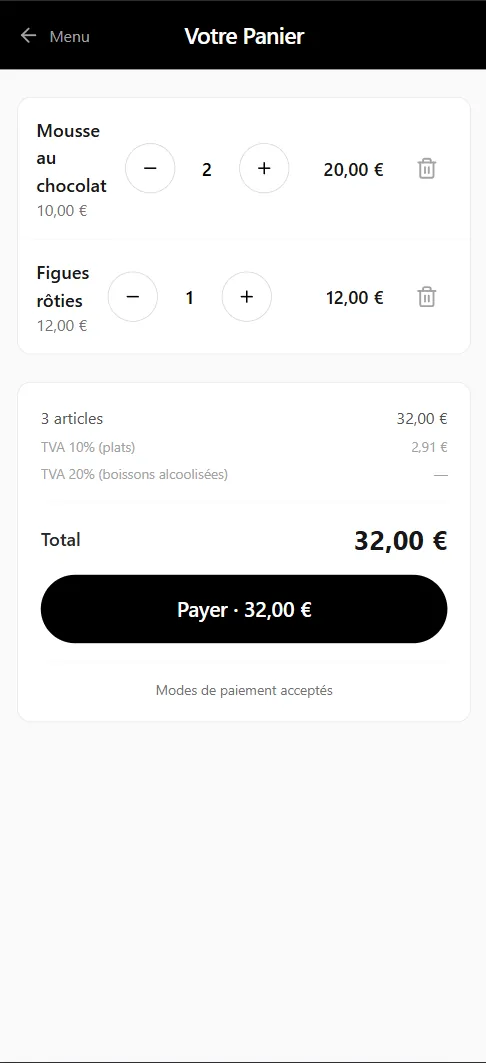
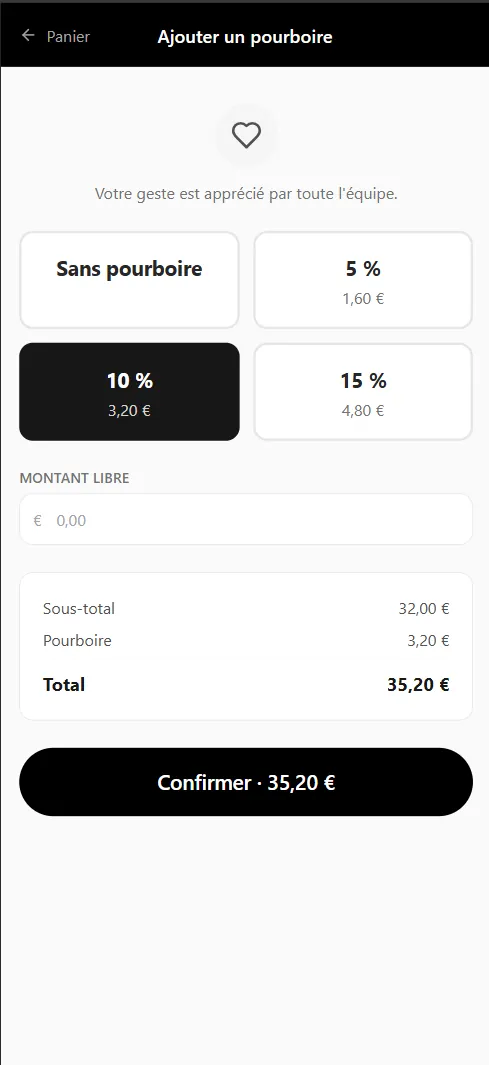
- Working MVP: menu editor with live mobile preview, QR codes per table, AI assistant, cart with VAT, tips, kitchen display, sales analytics.
- Deployed on easyq.fr (Vercel + OVH).